
May 16, 2026
Key design points of ultrasonic cleaning baskets: optimizing cleaning efficiency from mesh density to ventilation structure to instrument protection
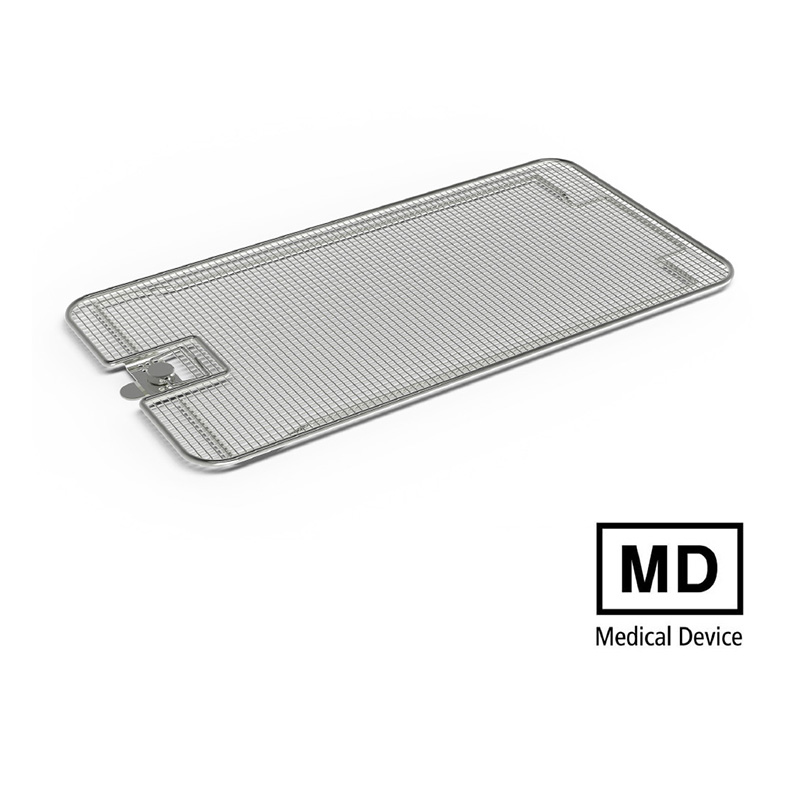
Table of Contents
1. Introduction: The Role of Ultrasonic Cleaning Baskets in Precision Cleaning
2. Key Design Principles of Ultrasonic Cleaning Baskets
3. Grid Density: The Foundation of Cleaning Efficiency
4. Ventilation Structure: Optimizing Fluid Circulation and Ultrasonic Transmission
5. Instrument Protection: Balancing Cleanliness and Damage Prevention
6. Design vs. Cleaning Efficiency: Data Comparison Table
7. Industry Data and Practical Application Insights
8. Frequently Asked Questions (FAQs)
1. Introduction: The Role of Ultrasonic Cleaning Baskets in Precision Cleaning
Ultrasonic cleaning has become a cornerstone in precision cleaning across industries—medical, automotive, electronics, and aerospace. It relies on high-frequency sound waves to create cavitation bubbles, which dislodge dirt, grime, and contaminants from even the smallest crevices of instruments.
Ultrasonic cleaning baskets are not just simple containers. They are integral to the ultrasonic cleaning process, acting as a bridge between the cleaning machine and the instruments being cleaned.
Poor cleaning basket design can hinder ultrasonic wave transmission, reduce cleaning efficiency, and even damage valuable instruments. The right combination of grid density, ventilation structure, and instrument protection features can drastically improve cleaning results while extending the lifespan of both the basket and the instruments.
Many users overlook the impact of cleaning basket design, focusing only on the ultrasonic machine itself. This oversight often leads to subpar cleaning, longer cycle times, and unnecessary instrument wear.

2. Key Design Principles of Ultrasonic Cleaning Baskets
Ultrasonic cleaning basket design must align with the core principles of ultrasonic cleaning. It needs to facilitate maximum ultrasonic wave penetration, ensure uniform cleaning fluid circulation, and protect instruments from damage during the cleaning process.
2.1 Compatibility with Ultrasonic Cleaning Equipment
The basket must fit perfectly within the ultrasonic cleaning tank. A poorly sized basket will block wave propagation, creating cleaning dead zones where contaminants remain untouched.
It should also be suspended above the tank bottom, as direct contact with the tank can absorb ultrasonic energy and damage the machine’s transducers.
2.2 Balance Between Openness and Support
The basket’s structure needs to be open enough to allow ultrasonic waves and cleaning fluid to reach all instrument surfaces. But it also must provide sufficient support to prevent instruments from shifting or colliding during cleaning.
This balance is where grid density and ventilation structure come into play—two of the most critical design elements for any ultrasonic cleaning basket.
3. Grid Density: The Foundation of Cleaning Efficiency
Grid density refers to the number of grid lines per unit area, and it directly impacts how well ultrasonic waves and cleaning fluid reach the instruments. It’s not a one-size-fits-all specification.
3.1 How Grid Density Affects Cleaning Efficiency
Too dense a grid blocks ultrasonic waves and restricts fluid flow. This leads to longer cleaning times and incomplete contaminant removal.
Too sparse a grid fails to support small or delicate instruments, allowing them to fall through or collide with each other. This increases the risk of instrument damage and reduces cleaning uniformity.
3.2 Optimal Grid Density for Different Applications
For small precision instruments (like medical forceps or electronic components), a grid density of 1-1.5mm is ideal. It provides support without blocking wave transmission.
For larger instruments (like automotive parts or industrial tools), a 2-3mm grid density works best. It balances support and openness, ensuring efficient cleaning without instrument damage.
Some high-precision applications, such as laboratory sample containers, may require a finer grid (0.8mm) to prevent small parts from slipping through and ensure thorough cleaning.
4. Ventilation Structure: Optimizing Fluid Circulation and Ultrasonic Transmission
Ventilation structure is often overlooked, but it’s just as important as grid density for cleaning efficiency. It ensures that cleaning fluid circulates freely around the instruments, carrying away dislodged contaminants.
3.1 Common Ventilation Structure Designs
The two most common ventilation structures are circular hole ventilation and strip ventilation. Each has its own advantages and ideal applications.
Circular hole ventilation is simple to manufacture and works well for general-purpose cleaning. The holes allow for good fluid flow but can sometimes create small dead zones around the edges.
Strip ventilation, on the other hand, provides more uniform fluid circulation. It reduces dead zones and allows ultrasonic waves to penetrate more evenly, making it ideal for precision cleaning applications.
3.2 Ventilation and Cleaning Efficiency
A well-designed ventilation structure can reduce cleaning time by up to 20% compared to poorly ventilated baskets. It also improves cleaning consistency, ensuring that all instruments are cleaned to the same standard.
Ventilation also helps prevent the buildup of contaminants in the basket, reducing the need for frequent basket cleaning and extending its lifespan.
5. Instrument Protection: Balancing Cleanliness and Damage Prevention
The primary goal of ultrasonic cleaning is to remove contaminants, but it should never come at the cost of instrument damage. A good ultrasonic cleaning basket design includes features that protect instruments during the cleaning process.
5.1 Protective Coating and Padding
Many high-end ultrasonic cleaning baskets feature a soft protective coating (like silicone or rubber) on the grid surfaces. This prevents scratches and dents on delicate instruments, such as medical endoscopes or electronic components.
For extremely delicate instruments, removable padding can be added to the basket, providing an extra layer of protection against impact during cleaning.
5.2 Instrument Separation and Fixation
Dividers or compartments within the basket help separate instruments, preventing them from colliding with each other during the ultrasonic cleaning process. This is especially important for sharp or fragile instruments.
Fixation clips or straps can also be used to secure instruments in place, ensuring they don’t shift or move during cleaning. This improves cleaning uniformity and reduces the risk of damage.
6. Design vs. Cleaning Efficiency: Data Comparison Table
The following table compares different ultrasonic cleaning basket designs and their impact on cleaning efficiency, instrument damage rate, and cleaning time. All data is based on industry tests and practical applications.
Design Parameter | Specification | Cleaning Efficiency (%) | Instrument Damage Rate (%) | Average Cleaning Time (Minutes) |
Grid Density | 0.8mm (fine) | 94 | 0.3 | 12 |
Grid Density | 1.2mm (medium) | 92 | 0.5 | 10 |
Grid Density | 2.5mm (coarse) | 78 | 1.8 | 15 |
Ventilation Structure | Circular Hole (5mm) | 85 | 0.7 | 11 |
Ventilation Structure | Strip (4mm×20mm) | 91 | 0.4 | 9 |
Instrument Protection | No Coating + No Dividers | 88 | 8.0 | 10 |
Instrument Protection | Silicone Coating + Dividers | 90 | 0.5 | 10 |
7. Industry Data and Practical Application Insights
Industry data highlights the importance of ultrasonic cleaning basket design in optimizing cleaning processes and reducing costs.
The global ultrasonic cleaning market is valued at USD 2.1 billion in 2025 and is expected to reach USD 3.5 billion by 2035, with a CAGR of 5.3%. A significant portion of this growth is driven by the demand for precision cleaning in medical and healthcare sectors, which account for 22% of the market share.
A study by a leading industrial cleaning association found that optimizing ultrasonic cleaning basket design (including grid density and ventilation structure) can improve cleaning efficiency by 30% and reduce instrument damage rates by 85% compared to poorly designed baskets.
In medical facilities, using baskets with proper grid density and instrument protection features has been shown to reduce instrument replacement costs by 40% annually. This is because protected instruments have a longer lifespan and require fewer repairs.
Another industry survey found that 68% of maintenance managers reported improved cleaning consistency after upgrading to well-designed ultrasonic cleaning baskets. This reduces the need for re-cleaning, saving time and resources.
For laboratory applications, using baskets with fine grid density (0.8-1mm) and optimized ventilation can reduce contaminant residue rates to below 0.01mg/L, meeting strict laboratory standards.
8. Frequently Asked Questions (FAQs)
Q1: What is the best grid density for ultrasonic cleaning baskets used in medical instrument cleaning?
A1: For most medical instruments (like forceps, scissors, and endoscopes), a grid density of 1-1.5mm is optimal. It provides enough support to prevent instrument movement while allowing ultrasonic waves and cleaning fluid to reach all surfaces. For extremely small instruments, a 0.8mm grid is recommended.
Q2: Does ventilation structure really affect cleaning efficiency?
A2: Yes, it does. A well-designed ventilation structure (like strip ventilation) can reduce cleaning time by up to 20% compared to poorly ventilated baskets. It ensures uniform fluid circulation, preventing dead zones and ensuring all instruments are cleaned evenly.
Q3: How can I prevent instrument damage during ultrasonic cleaning?
A3: Choose a basket with a protective coating (silicone or rubber) and dividers to separate instruments. Avoid overloading the basket, as this causes instruments to collide. For delicate instruments, use removable padding to add extra protection.
Q4: Can I use the same ultrasonic cleaning basket for all types of instruments?
A4: It’s not recommended. Different instruments require different grid densities and protection features. For example, small electronic components need a finer grid than large automotive parts. Using the right basket for each application improves cleaning efficiency and reduces damage.
Q5: How often should I replace my ultrasonic cleaning basket?
A5: It depends on usage and design. A well-designed basket with high-quality materials (like 316L stainless steel) can last 3-5 years with regular maintenance. If you notice grid damage, coating wear, or reduced cleaning efficiency, it’s time to replace the basket.